I Thought Soap Was Just Soap
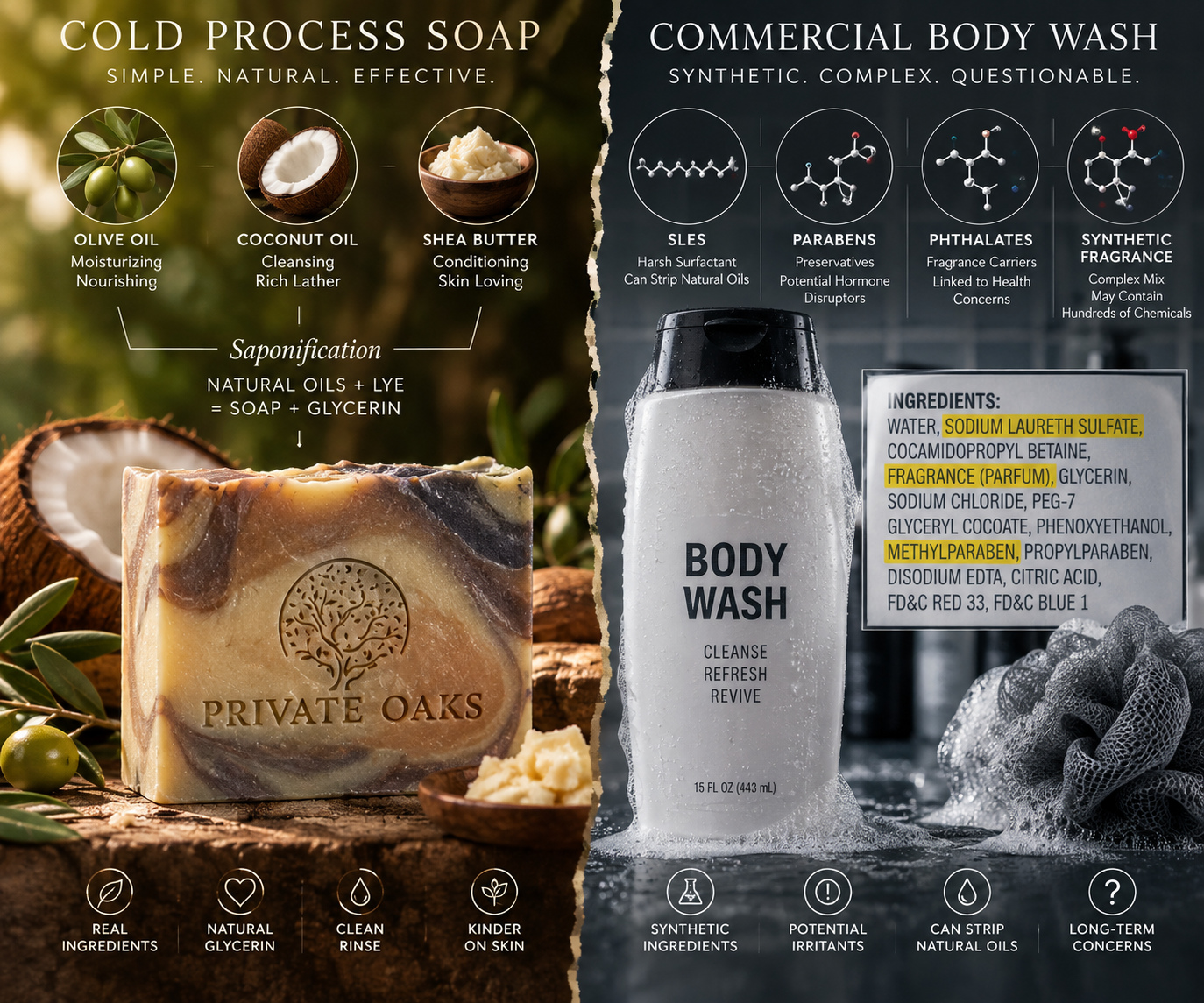
I get asked this more than almost any other question. My answer is always the same: yes and no. What separates one bar of soap from another goes deeper than most people realize, and it starts with how it's made.


I get asked this more than almost any other question. My answer is always the same: yes and no. What separates one bar of soap from another goes deeper than most people realize, and it starts with how it's made.

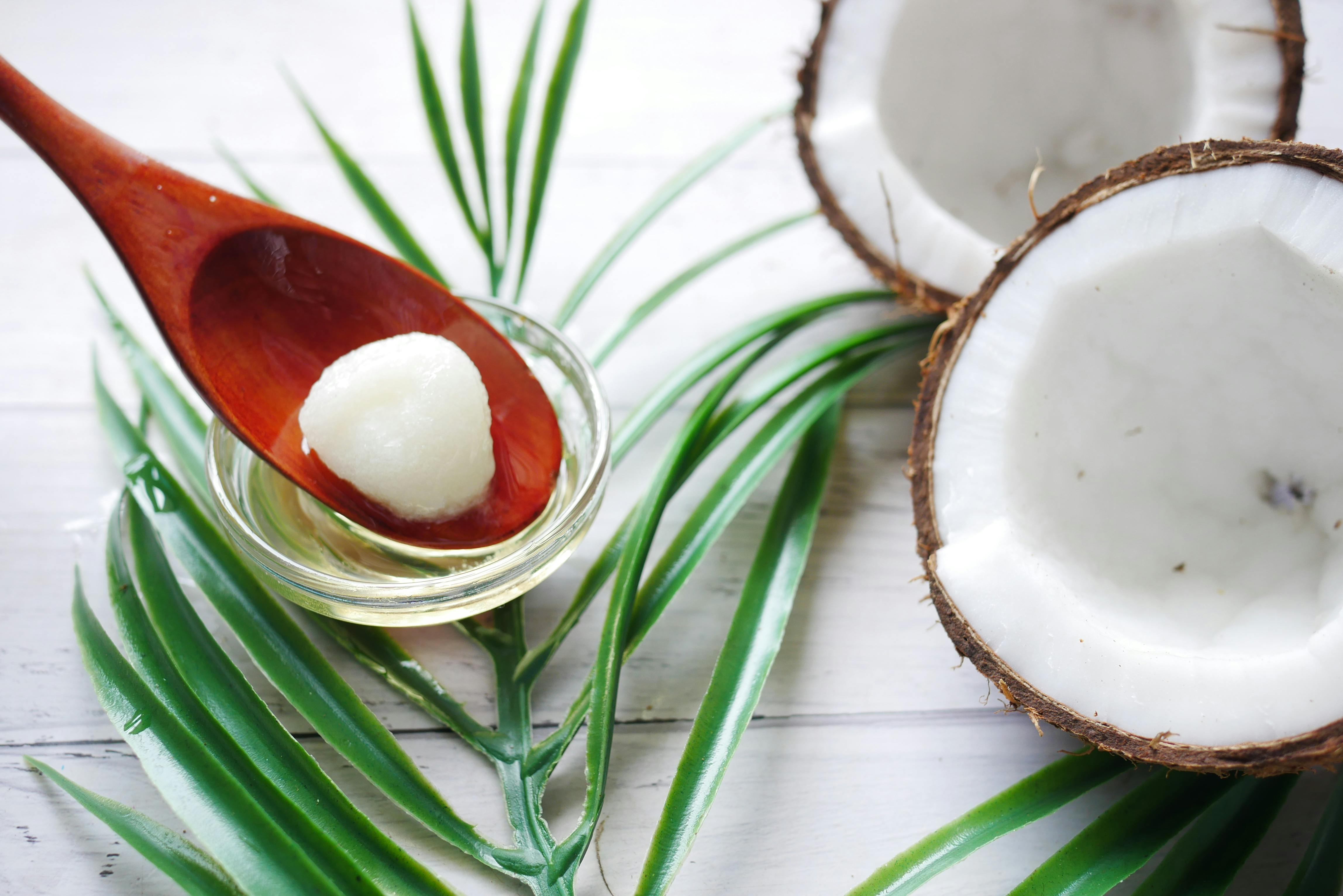
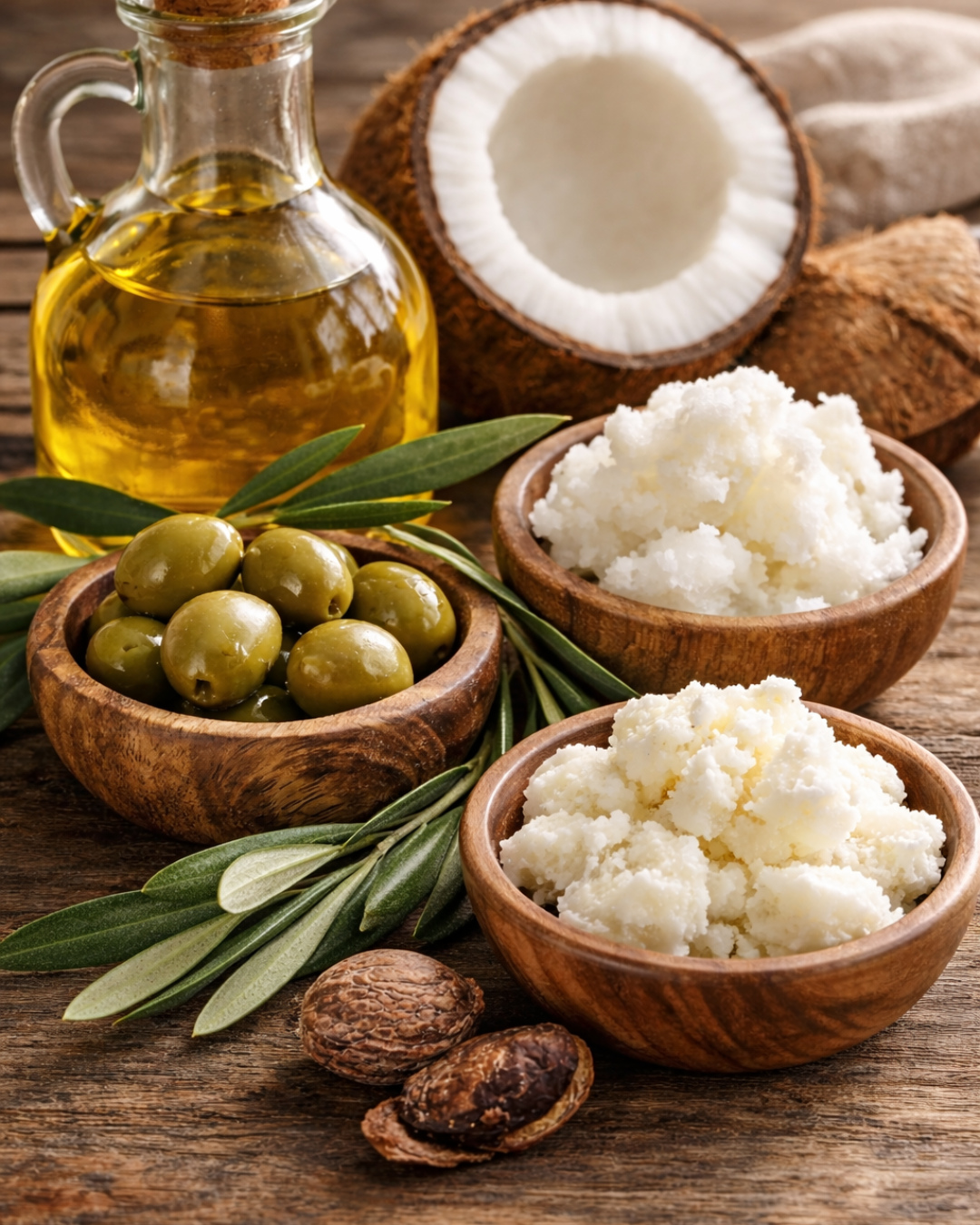
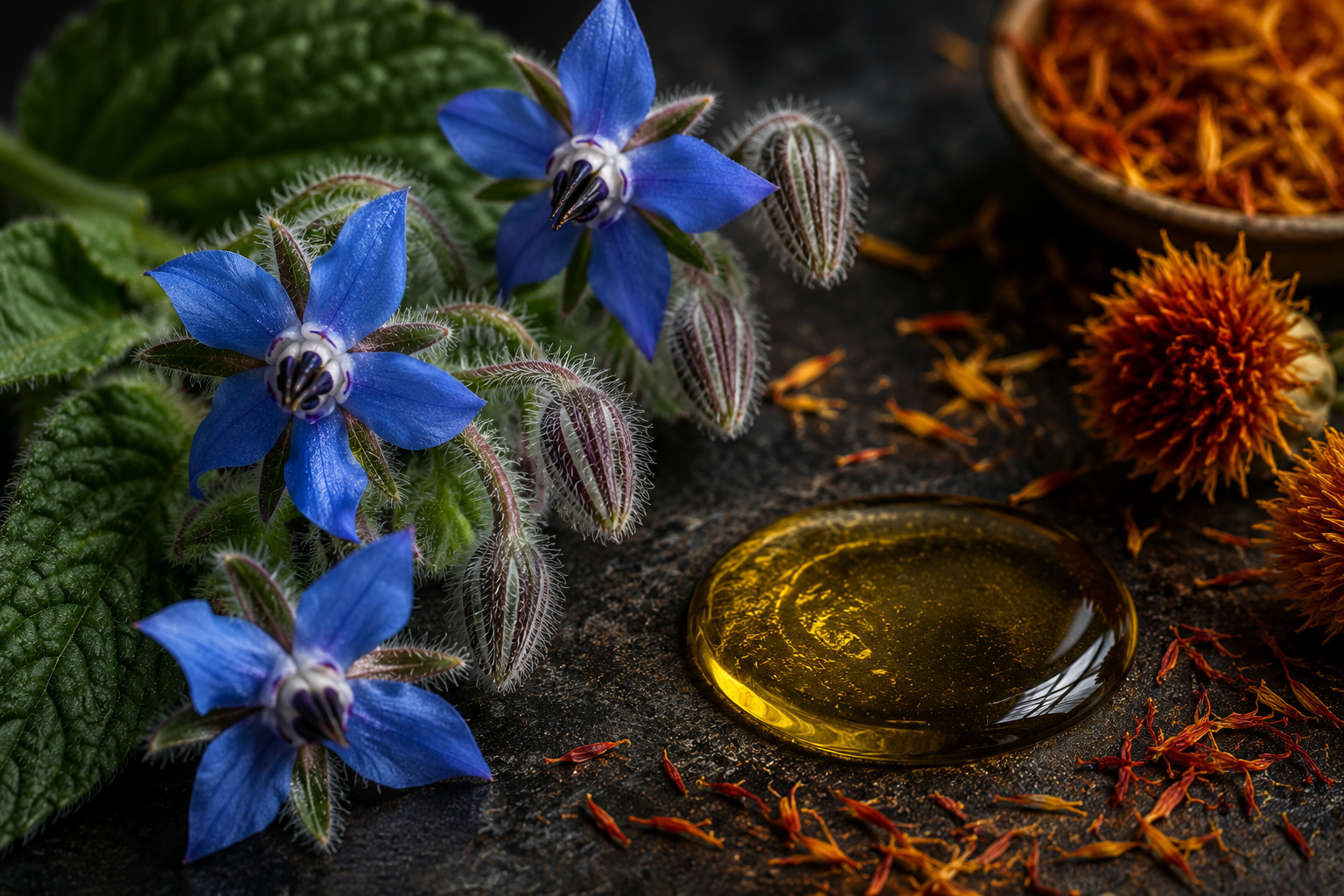
Not all soap oils are created equal. Some nourish. Some harden. Some do real environmental damage. Here is an honest breakdown of the oils we use at Private Oaks, why we chose them, and why we deliberately left others out.

Tallow soap has real benefits. So does plant oil soap. The honest answer to which one is better depends entirely on who you are, what your skin needs, and where the ingredients actually come from. Here is a fair look at both.

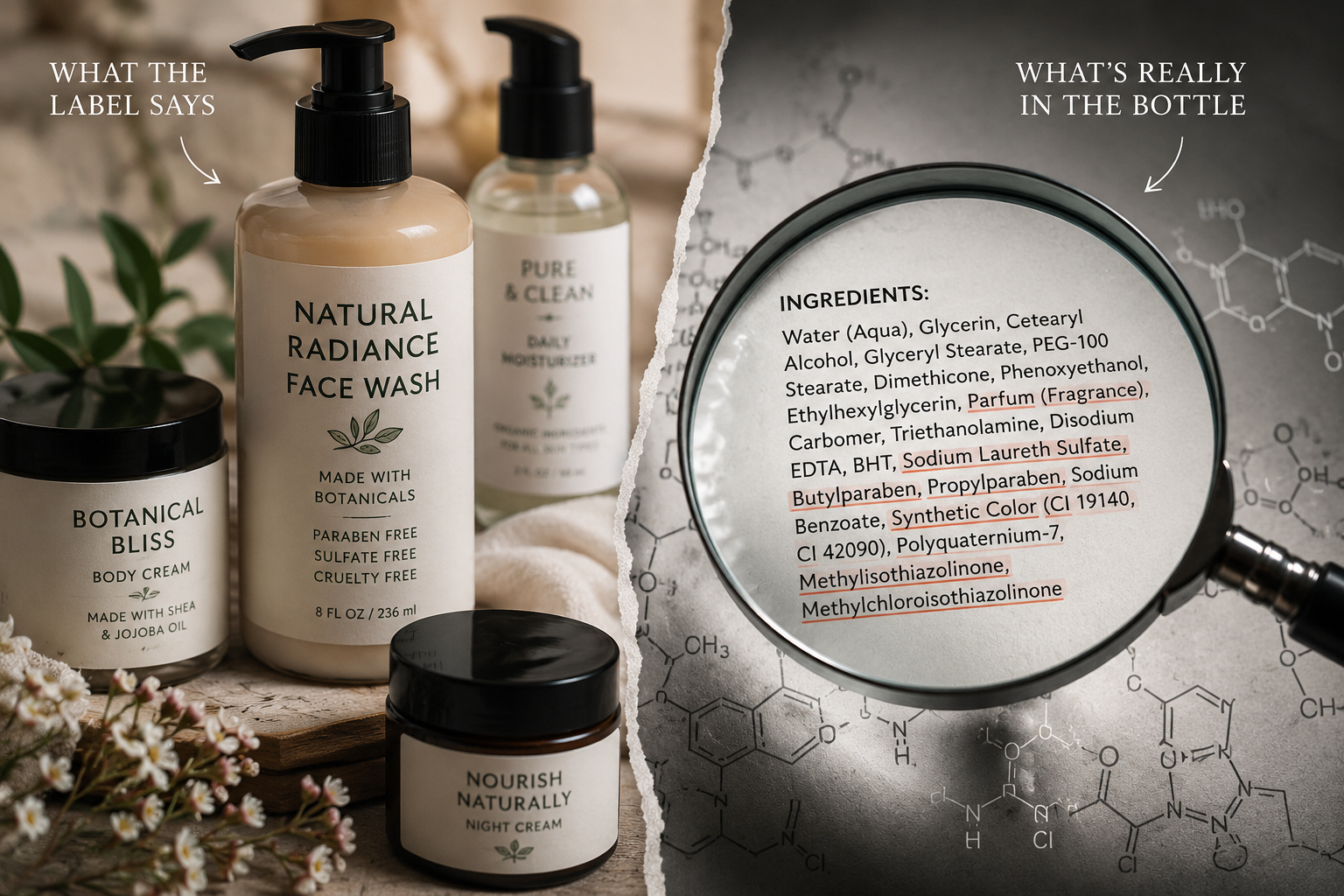
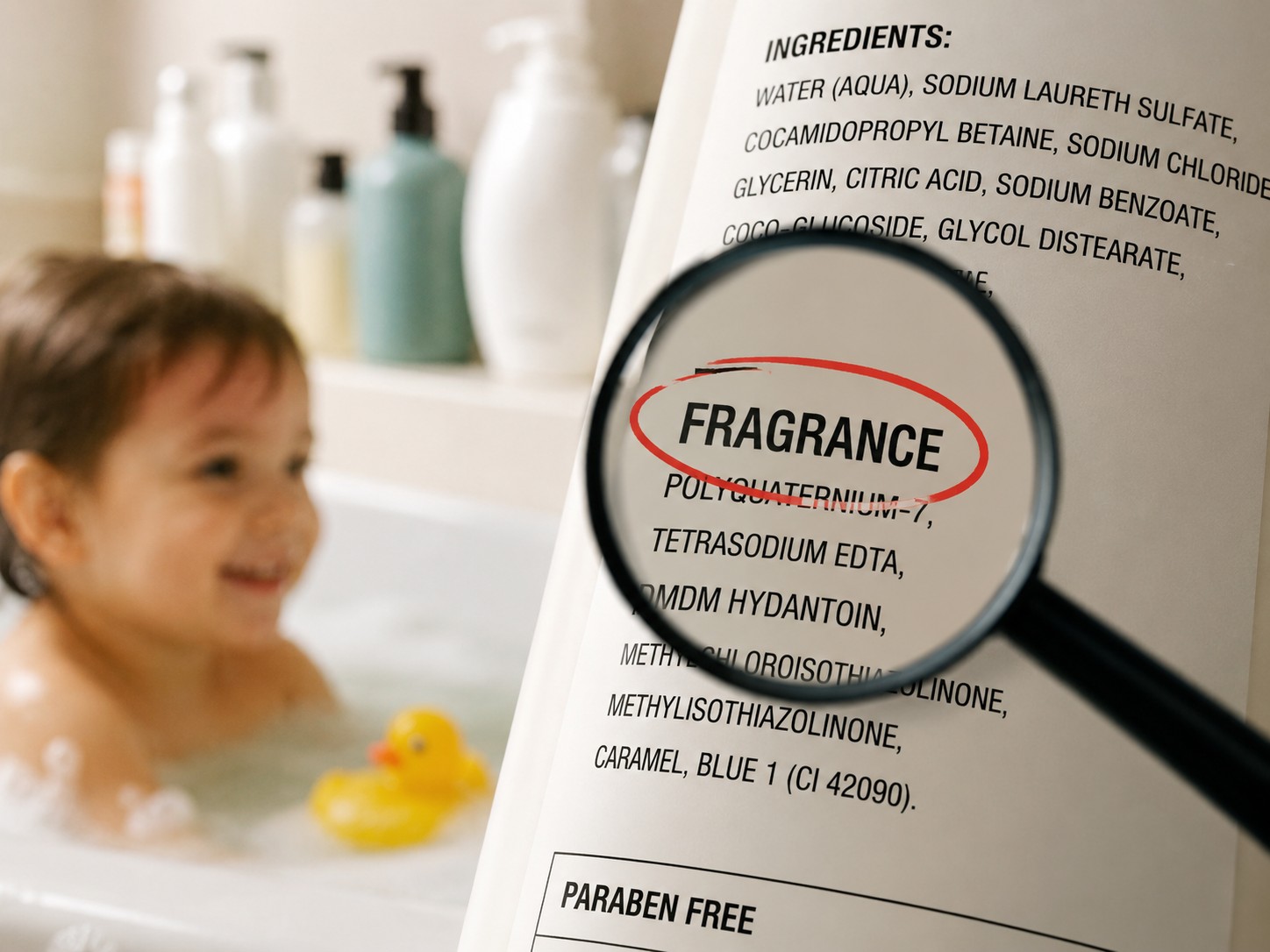
Two people who grew up in agriculture take an honest look at the chemicals most relevant to our daily lives, where they end up, and why we became very deliberate about what goes into every Private Oaks bar.

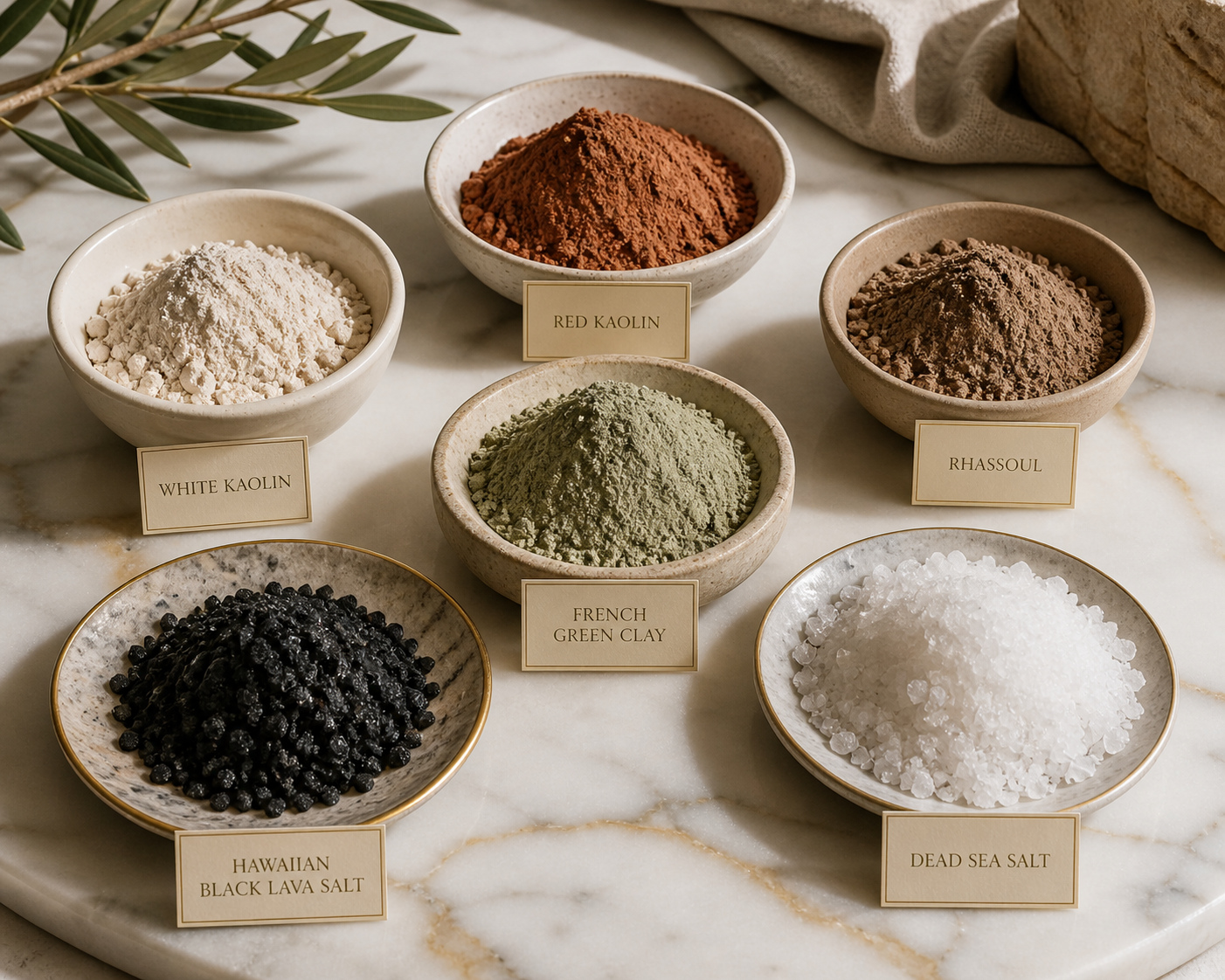
Most people assume clays and salts in soap are marketing fads. I did too, until we started Private Oaks and actually looked into the science. Here is what these ingredients genuinely do to your skin and why the differences between them matter more than most labels will ever tell you.

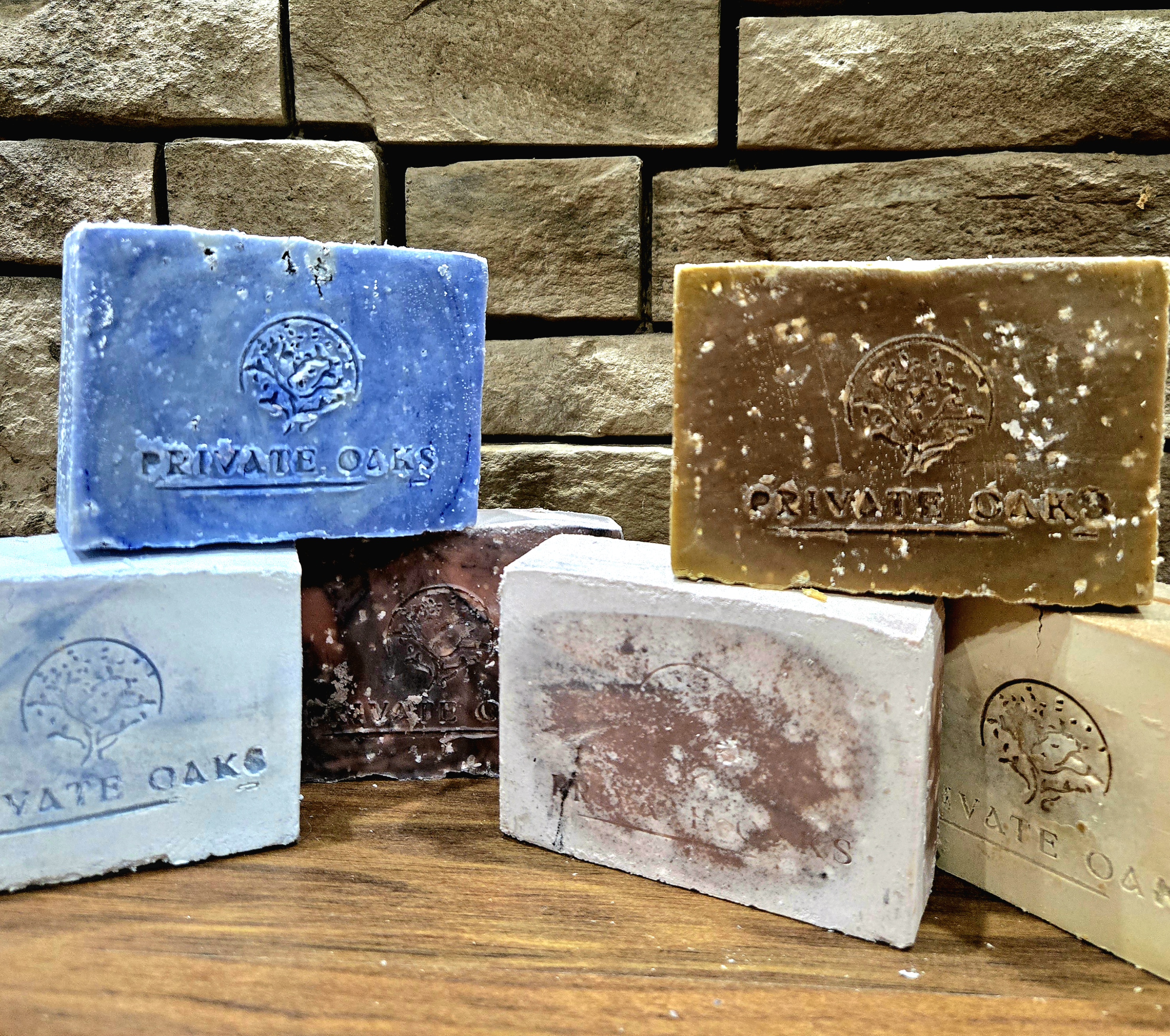
You picked up a bar and noticed a white powdery film on the surface. Nothing is wrong with your soap. Here is what soda ash actually is, why high olive oil bars are more prone to it, and why it disappears the first time you use the bar.

I grew up on a farm in south central Nebraska, graduated from a class of 24, and spent 15 years farming before a Dr. Squatch subscription box on my porch changed everything. This is how Private Oaks came to be, and why the name means more than most people realize.

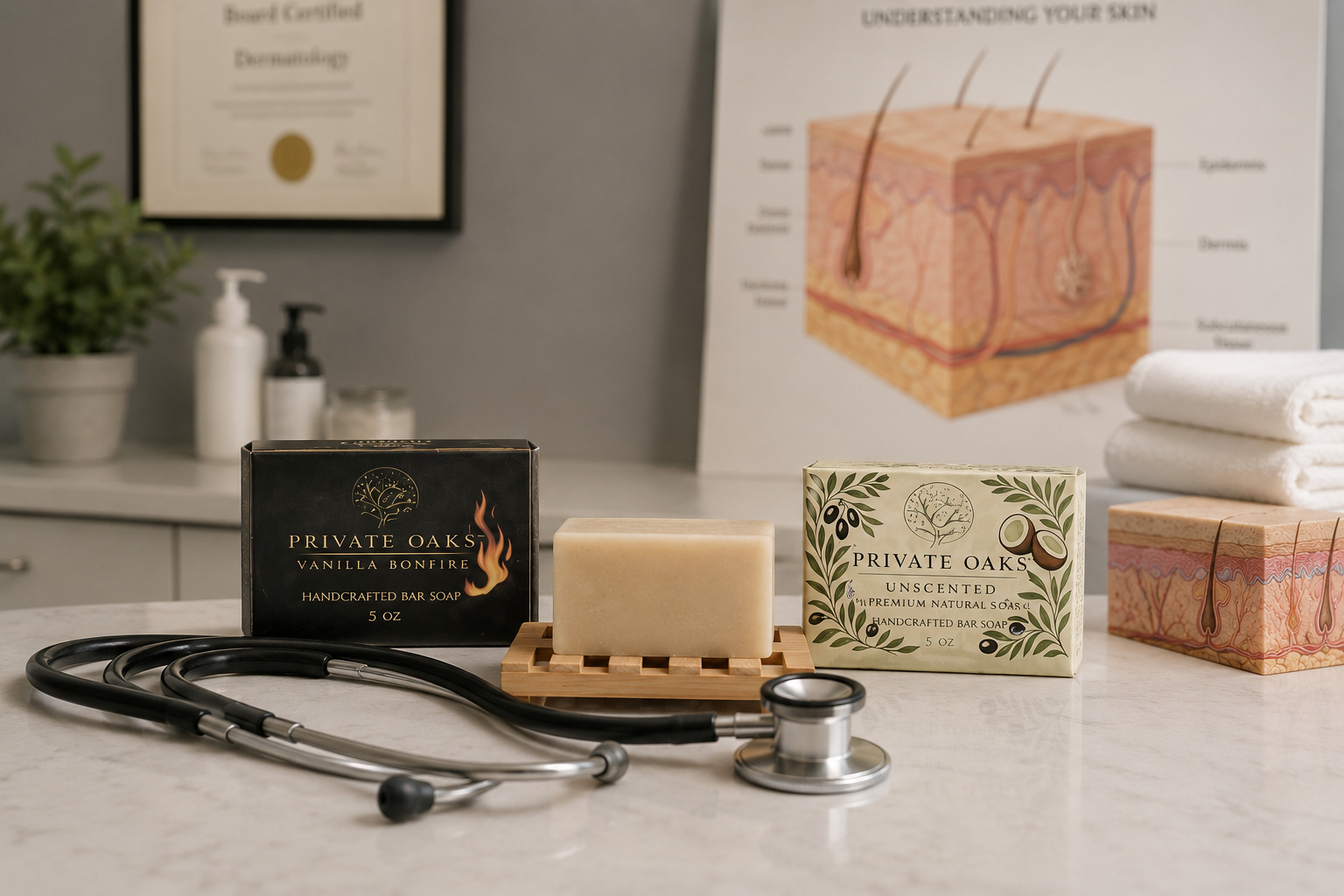
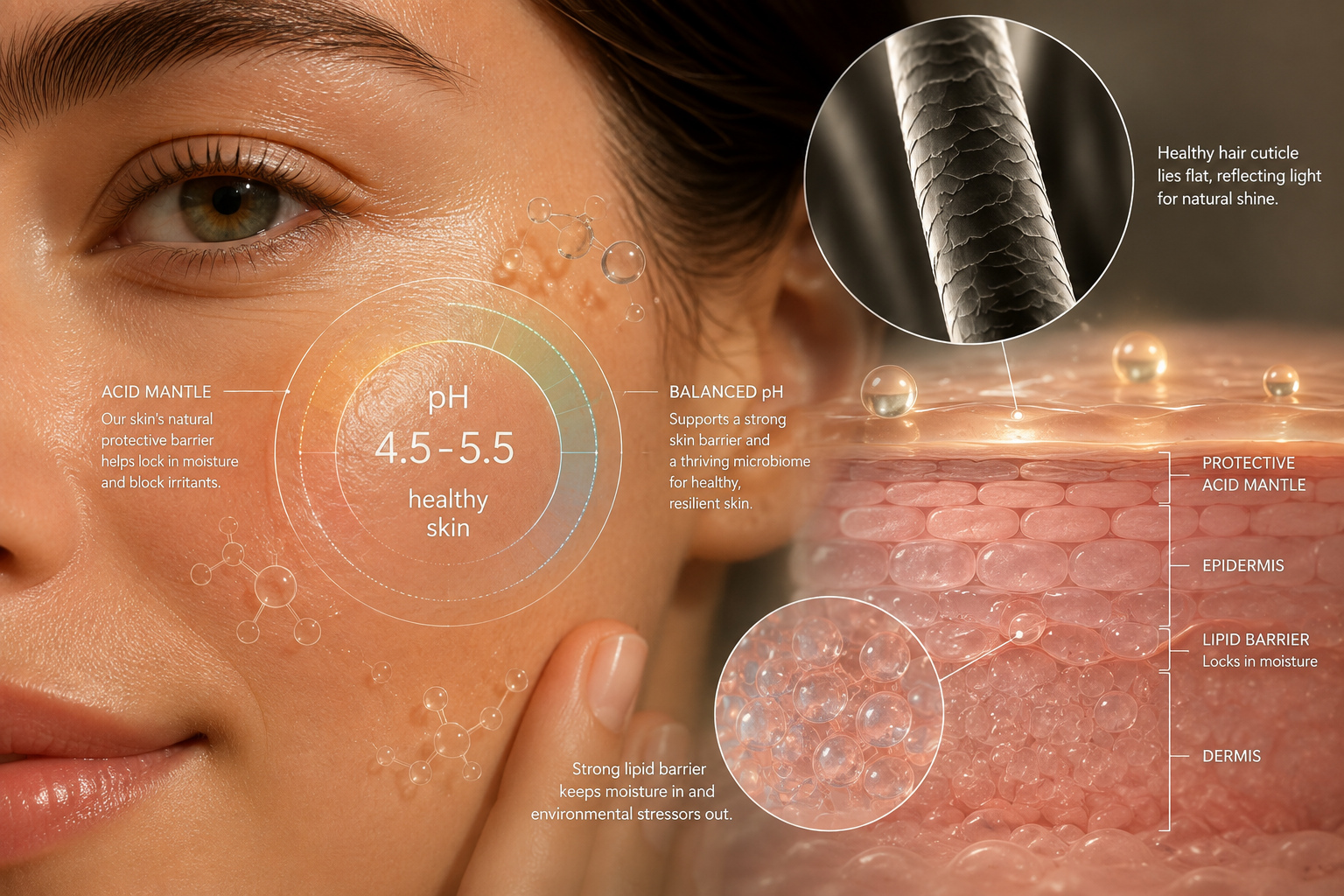
A double board certified dermatologist and a Stanford neuroscientist spent nearly three hours talking about skin health, what actually works, and what doesn't. Some of what they said confirmed everything we've built Private Oaks around. Some of it was genuinely surprising. I want to share all of it honestly.

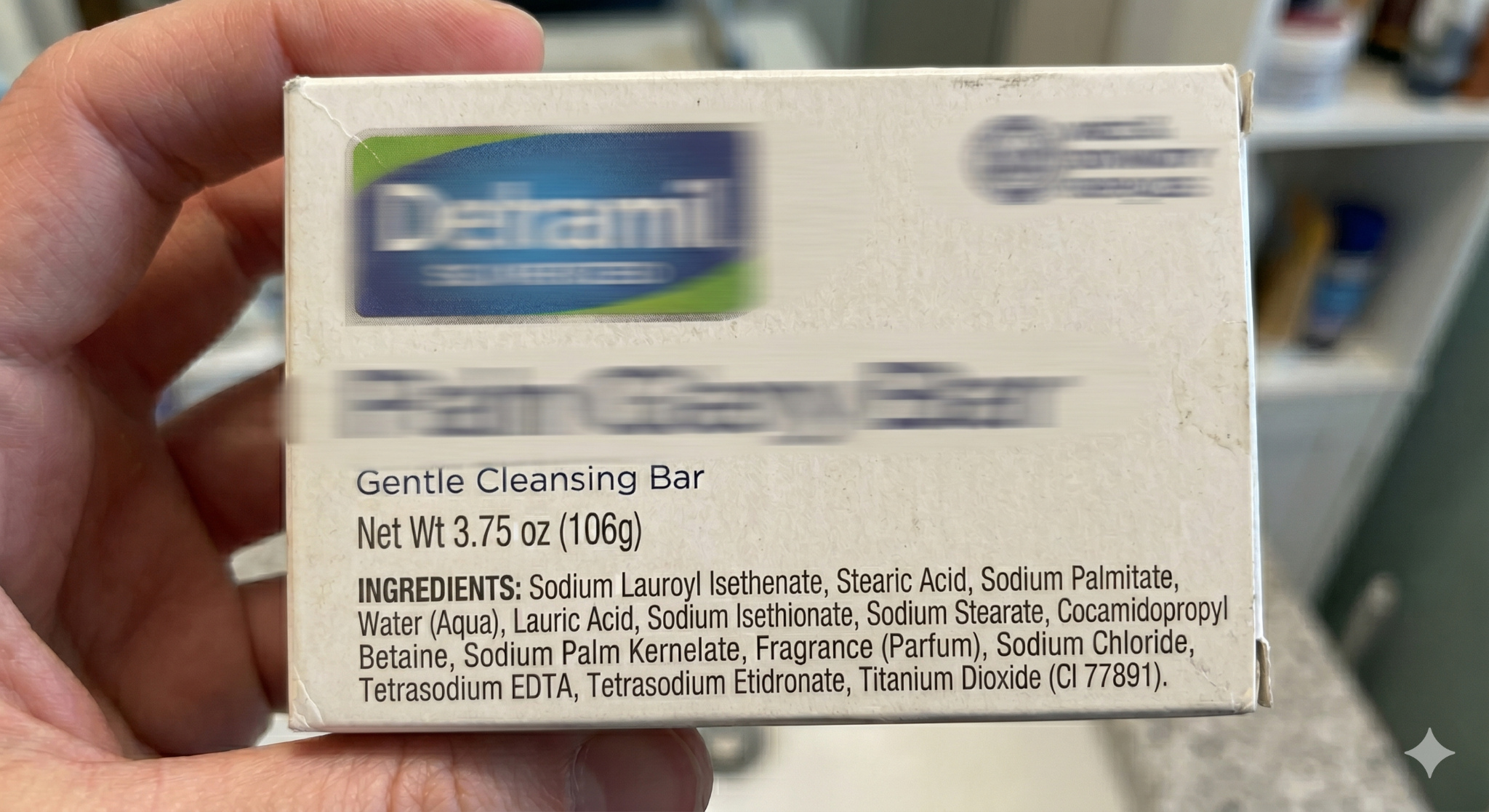
Most people have a vague suspicion that scientific ingredient names exist to hide something. I was the same way. This blog is the decoder I wish I'd had ten years ago. By the end of it you'll be able to pick up any bar of soap in any store and read it like it was written in plain English.

If you have eczema you already know the drill. You find something that seems to help and then a flare reminds you that nothing is ever fully solved. This blog is an honest look at what eczema actually is, what makes it worse, and where our products genuinely fit, including the part where we tell you about a real limitation in our own soap.

More than 16 million Americans have rosacea and most of them weren't diagnosed until their 30s or 40s. Many spent years treating it as acne, dry skin, or general sensitivity before anyone named it correctly. Here is what rosacea actually is, what makes it worse, and where a genuinely clean soap and moisturizer fit into managing it day to day.

Psoriasis starts on the inside. The immune system misfires and the skin pays for it. No soap or moisturizer fixes that at the root and we're going to say that clearly before anything else. What we can tell you is what actually makes psoriasis worse, what the research says about daily skincare, and where our products genuinely fit without overstating it.

Acne has terrible timing, questionable logic, and absolutely no respect for age. It also has nothing to do with how often you wash your face, despite what every well-meaning relative has ever told you. Here is what is actually driving it and where a genuinely clean soap and leave-on cream fit into managing it.

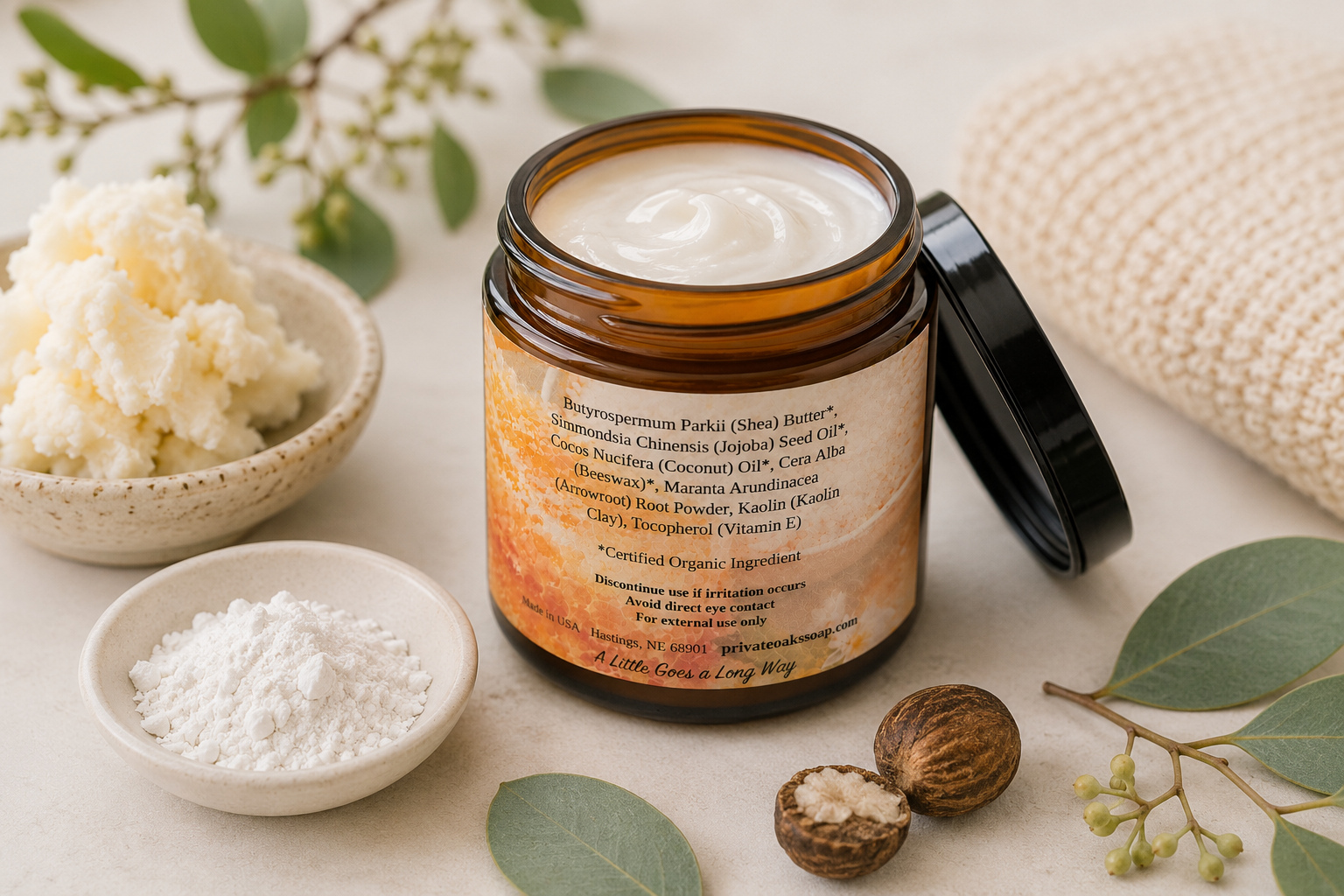
Most commercial moisturizers are 60 to 80 percent water. The skin-beneficial ingredients, the oils, butters, and botanical extracts, often make up a fraction of what's in the bottle. We knew that before we built our body creams and it shaped every decision we made. Here is what went into them and why.

If you use CeraVe and you've been reading through The Grove, you've probably wondered whether these two approaches to skin health can work together. They can. Here's what CeraVe actually is, what's in it, why dermatologists recommend it, and where clean organic skincare fits alongside it.